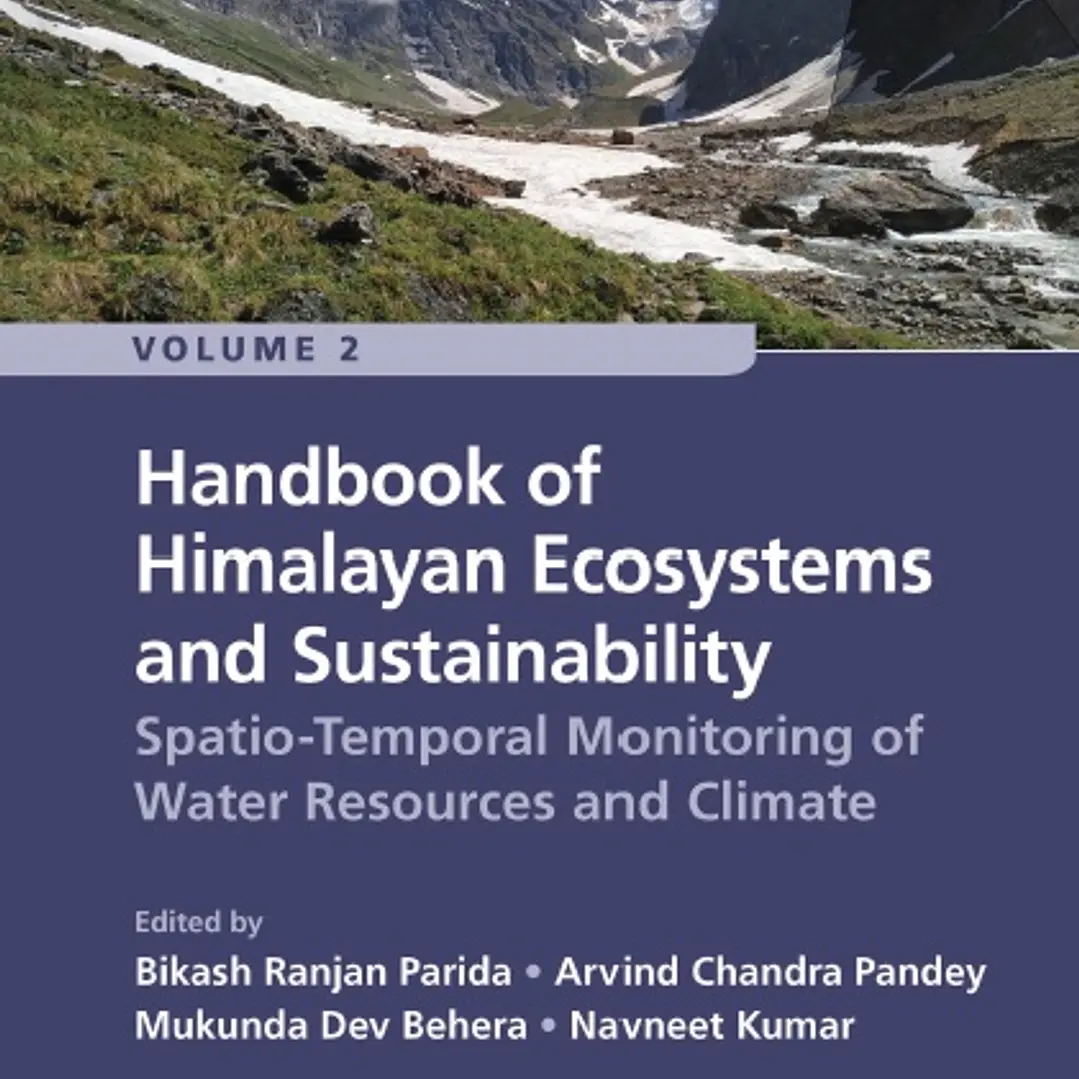
Description
Volume 2: Handbook of Spatio-Temporal Monitoring of Water Resources and Climate is aimed to describe the current state of knowledge and developments of geospatial technologies (Remote Sensing and Geographic Information Systems) for assessing and managing water resources under climate change. It is a collective achievement of renowned researchers and academicians working in the Hindu Kush Himalayan (HKH) mountain range. The HKH region is a part of the Third Pole outside the polar regions due to its largest permanent snow cover. Importantly, the Himalayan belt is geologically fragile and vulnerable to geohazards (e.g. landslides, land subsidence, rockfalls, debris flow, avalanches, and earthquakes). Therefore, critical assessment and geospatial solutions are indispensable to safeguard the natural resources and human beings in the Himalayas using space-borne satellite datasets. This book also showcases various remote sensing techniques and algorithms in the field of urban sprawling, urban microclimate and air pollution. The potential impacts of climate change on the cryosphere and water resources are also highlighted. This comprehensive Handbook is highly interdisciplinary and explains the role of geospatial technologies in studying the water resources of the Himalayas considering climate change.




Reviews
There are no reviews yet.